
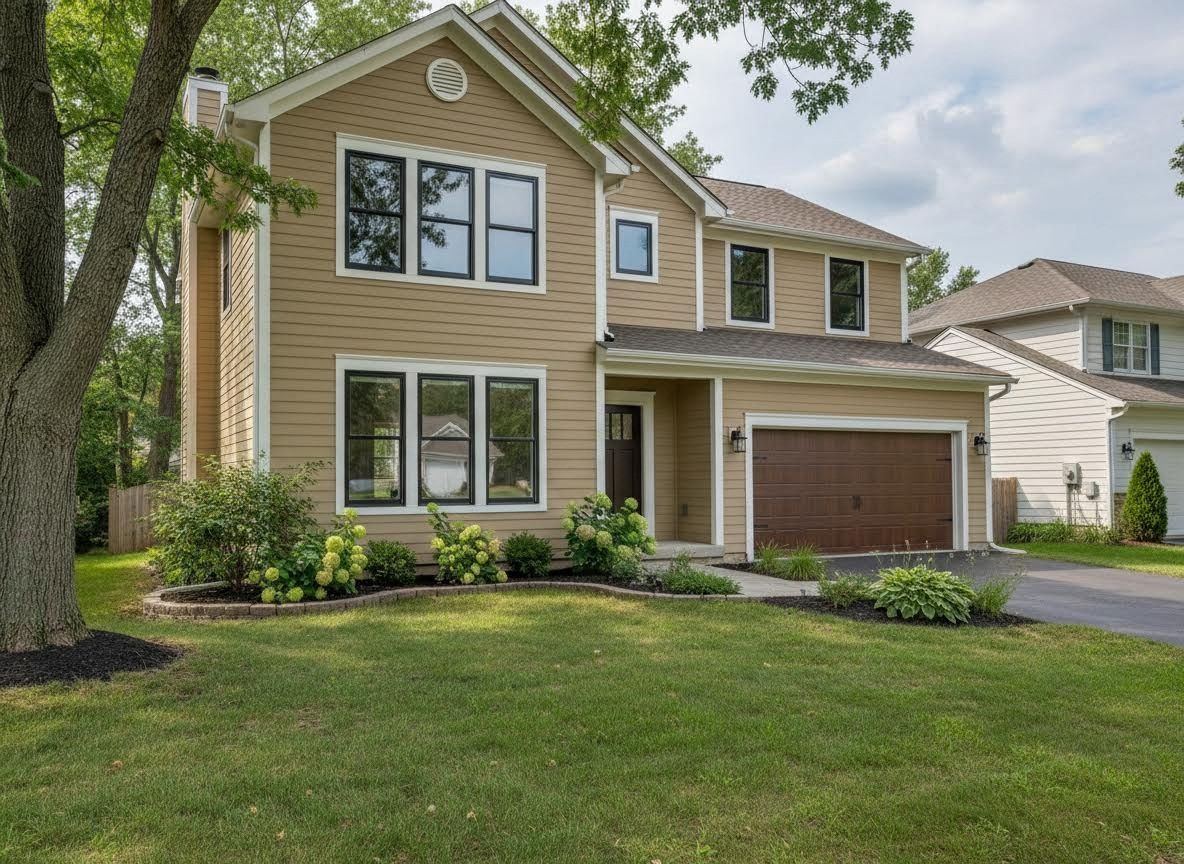
Choosing the right window sills for your home is a decision that balances aesthetic appeal, durability, and long-term maintenance. For homeowners in Southampton, understanding the differences between popular materials like wood and cellular PVC is crucial for making an informed investment. At Diversified Home Improvements Ltd., we believe in providing transparent information to help you select the best fit for your property's style and your lifestyle needs. Let's delve into the characteristics of each to determine whether wood or PVC is the best material for window sills.
The Enduring Charm of Wood Window Sills
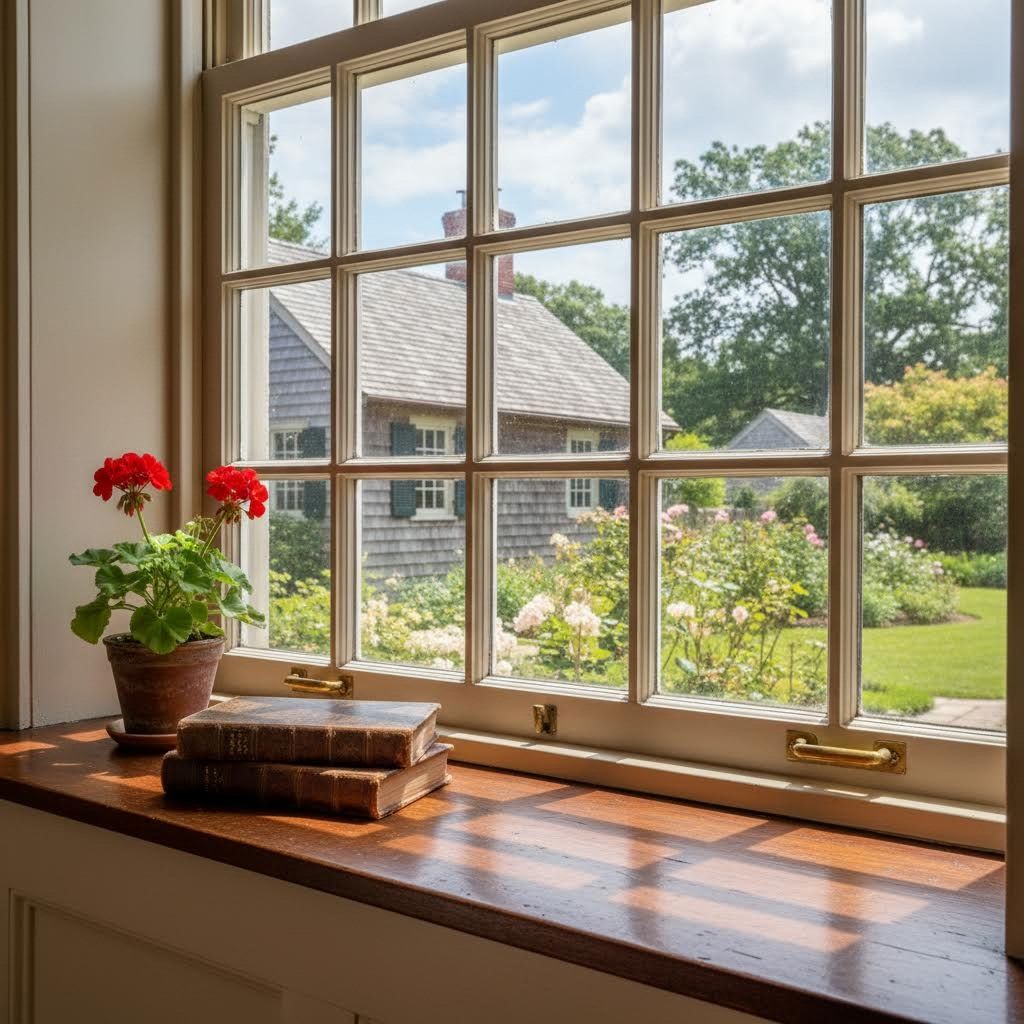
Wood has been a classic choice for window sills for centuries, prized for its natural beauty, warmth, and ability to be customized to match any architectural style. Its organic grain patterns and potential for staining or painting offer unmatched versatility, allowing it to seamlessly blend with traditional and historic homes. For many, the authentic look and feel of wood are simply irreplaceable, adding a timeless elegance that can enhance curb appeal. However, this natural material does come with specific maintenance requirements to preserve its integrity and appearance over time.
Embracing Modern Durability with Cellular PVC
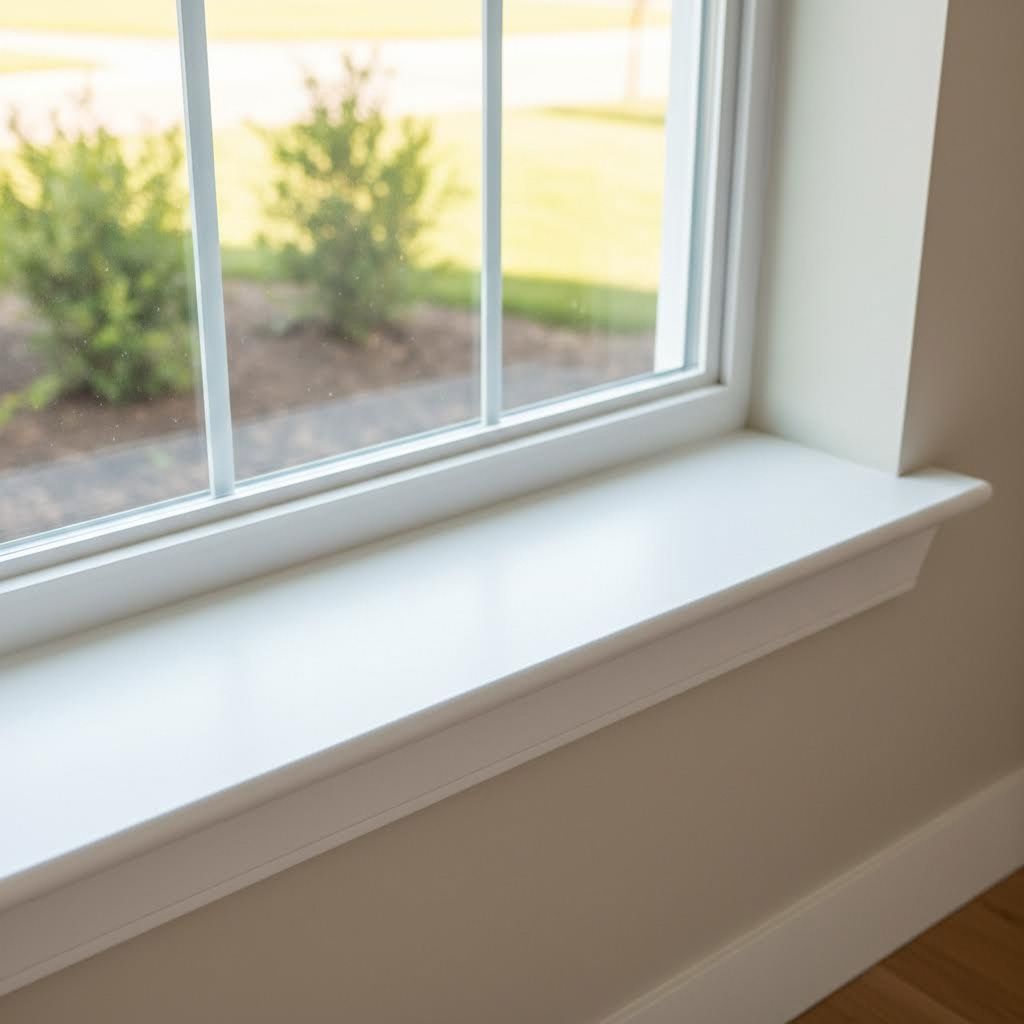
In contrast to traditional wood, cellular PVC offers a contemporary alternative that has rapidly gained popularity due to its advanced properties. This engineered material is designed to mimic the appearance of wood but surpasses it in terms of resistance to the elements. Cellular PVC is inherently a rot-proof window trim, making it an exceptional choice for areas prone to moisture and humidity, like Southampton. It stands up to rain, snow, and UV rays without warping, cracking, or requiring frequent repainting, positioning it as a truly low-maintenance exterior trim solution.
Long-Term Investment and Maintenance Comparison
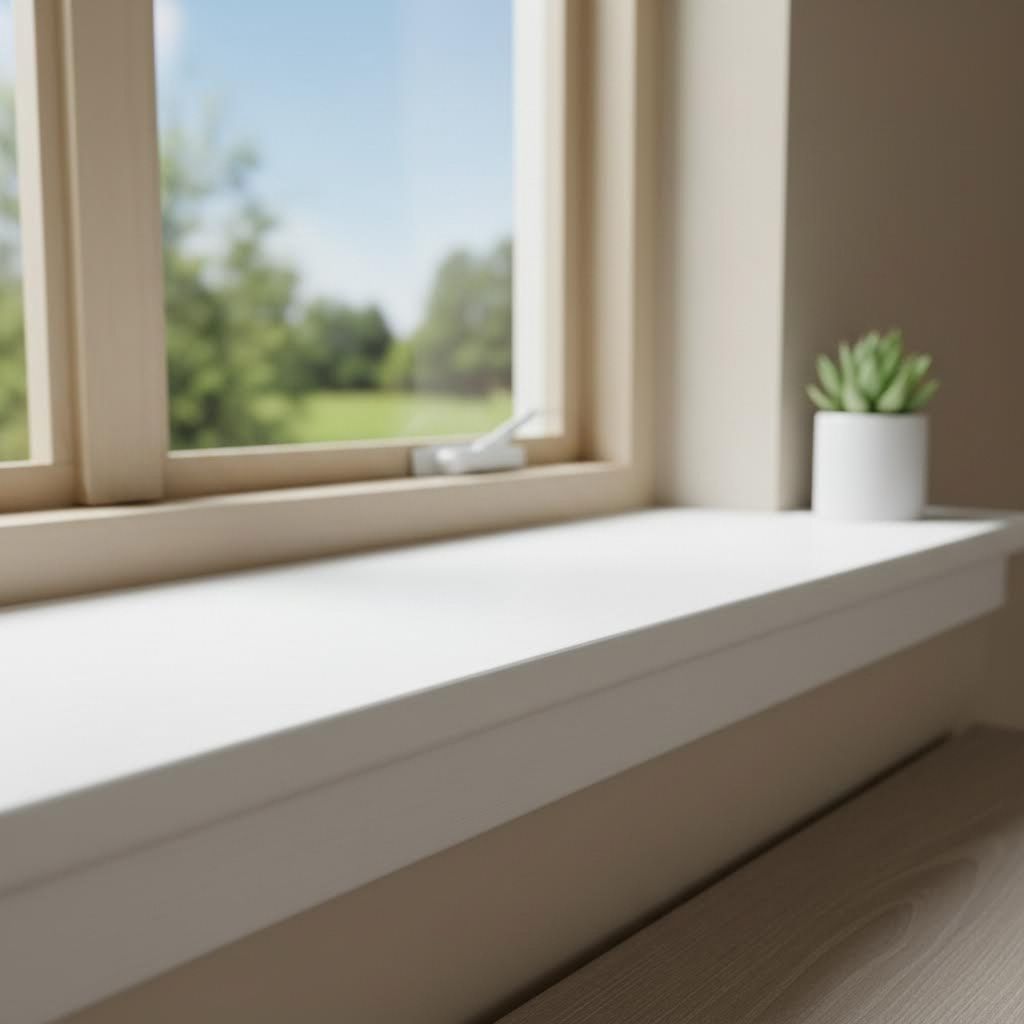
When evaluating PVC vs wood window sills, the long-term investment often becomes a significant factor. While wood sills may have a lower initial cost, they demand regular maintenance such as sanding, priming, painting, or sealing to prevent decay and maintain their appearance. This ongoing upkeep can accumulate considerable costs and time over the years. Cellular PVC, on the other hand, requires minimal maintenance. Its robust, non-porous surface means it won't rot, splinter, or peel, translating into significant savings on labor and materials over the lifespan of your home. This makes cellular PVC window sill installation a more permanent and cost-effective solution in the long run.
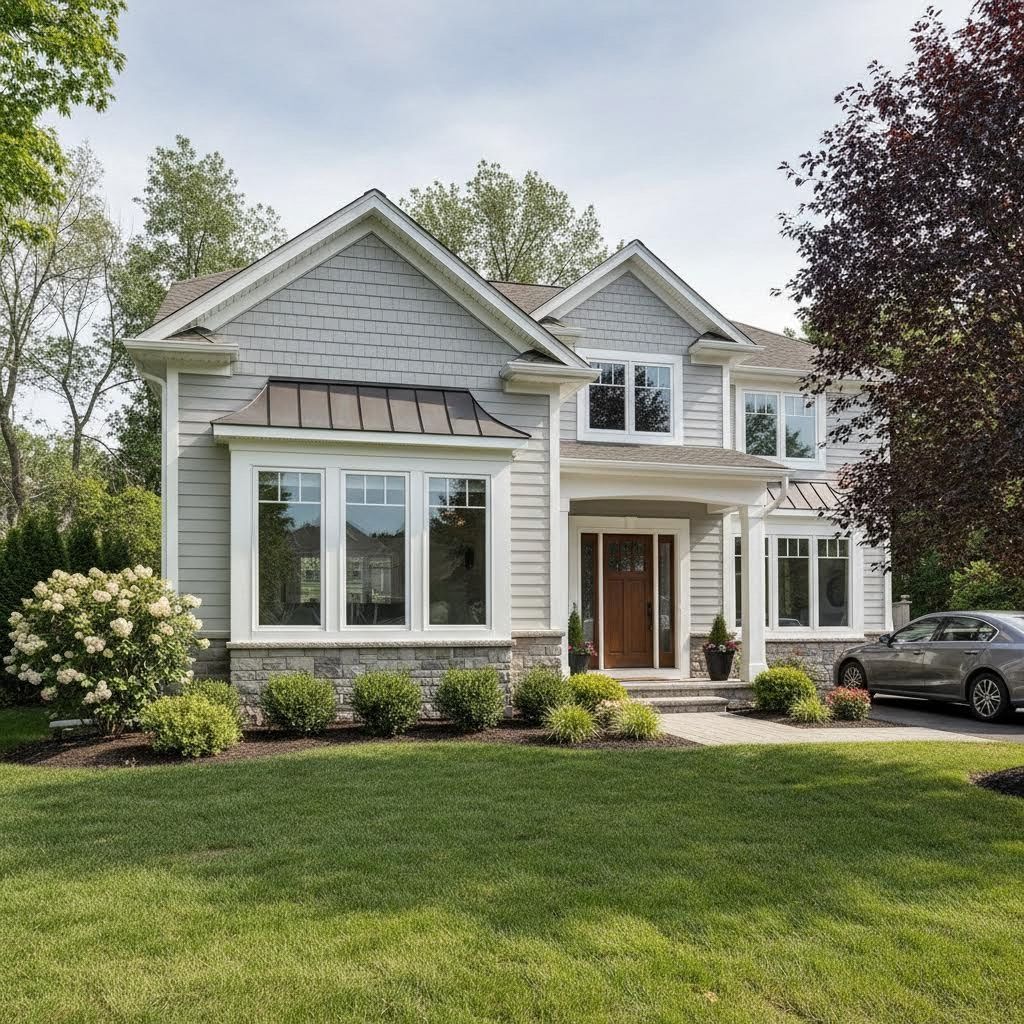
Making the Right Choice for Your Home
Ultimately, the decision between PVC and wood window sills depends on your priorities. If preserving a historical aesthetic with natural materials is paramount, and you're prepared for the associated maintenance, wood may be your preferred option. However, for those seeking a durable, rot-proof window trim that offers superior resistance to the elements and significantly reduces maintenance efforts and costs over time, cellular PVC presents a compelling advantage. It provides the aesthetic flexibility to complement diverse home styles without the worries of degradation often associated with wood.
Your Trusted Partner for Window Sill Solutions
Selecting the ideal window sill material is a key component of maintaining your home's integrity and aesthetic appeal. Understanding the differences between PVC vs wood window sills empowers you to make a choice that aligns with your lifestyle and budget. If you're looking for window sill contractors in Southampton, contact the team at Diversified Home Improvements Ltd. today.